Mia Neumann · 14 October 2026
Student Collaborations Integrate Quantum Modeling Techniques With Responsible AI Standards in University Programs
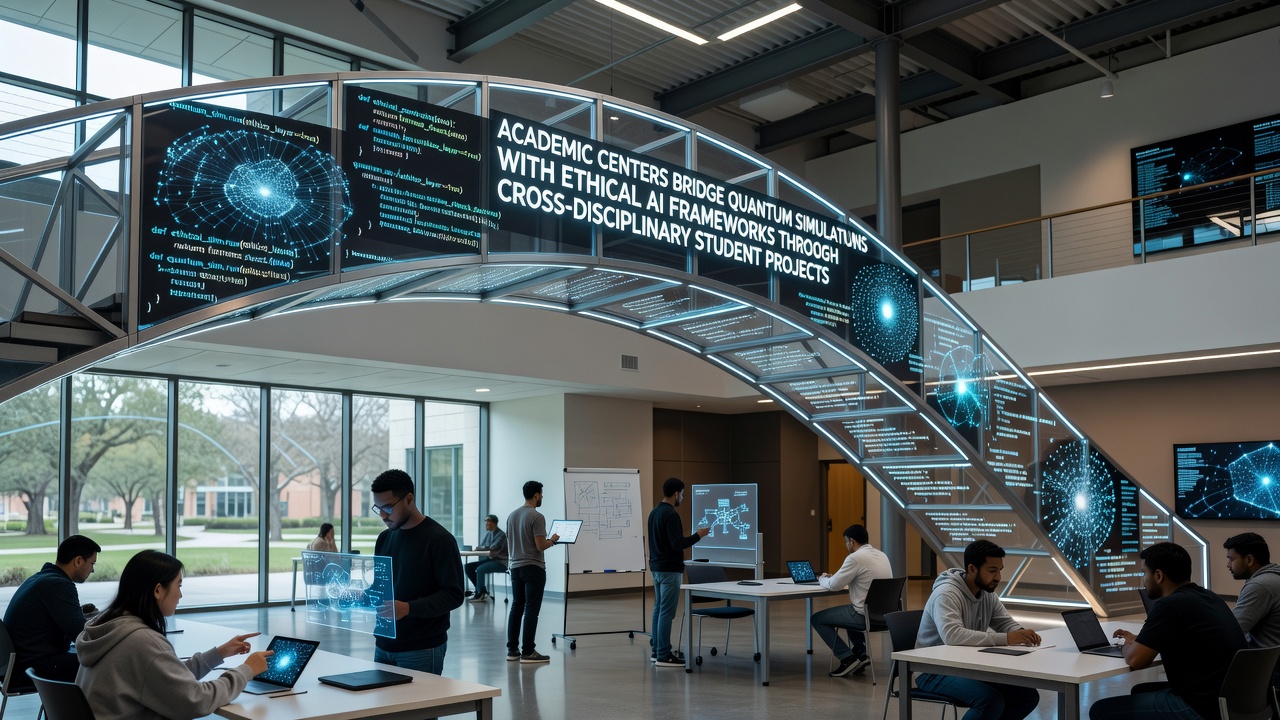
Academic institutions across multiple continents have developed programs where physics students pair with philosophy and computer science peers to align quantum simulation tools with structured ethical review processes, and these efforts gained momentum through coordinated project timelines that extend into October 2026. Research teams at European and North American centers report that such pairings produce simulation outputs reviewed against established AI governance checklists, while data from ongoing pilots show measurable reductions in bias metrics when student groups incorporate external regulatory guidelines early in their workflows.
Quantum Simulation Tools Enter Ethics Curricula
Quantum simulation platforms allow researchers to model molecular interactions and material behaviors at scales that classical computers handle inefficiently, yet the same platforms generate datasets that feed into machine learning systems used for decision support in medicine and materials science. Observers note that ethics modules now appear alongside these platforms in joint courses, where students examine questions of data provenance and model transparency before running simulations. Figures from participating departments indicate that projects completed in the last two academic years incorporated at least three distinct ethical checkpoints, compared with one checkpoint in earlier single-discipline assignments.
Cross-disciplinary teams typically divide tasks so that quantum physics majors handle Hamiltonian construction and error mitigation, while AI ethics students map outputs to principles such as fairness and accountability drawn from documents like the NIST AI Risk Management Framework. This division creates documentation trails that external reviewers can audit, and several centers have begun publishing anonymized project logs to support reproducibility studies.
Project Structures and October 2026 Milestones
Coordinators schedule major deliverables around October 2026 to coincide with funding cycles from national research agencies in Canada and Australia, and student groups submit joint papers that combine simulation results with ethical impact statements. One such cohort at a Scandinavian university produced a model of protein folding that included a supplementary section on consent protocols for any future clinical use of the generated data. Those reports undergo internal review before submission to journals that require dual technical and ethical refereeing.

Training sessions often feature guest speakers from regulatory bodies such as the European Commission’s Directorate-General for Research and Innovation, who outline how quantum-derived datasets fit within broader AI governance proposals. Participants learn to apply impact assessment templates that list potential downstream uses, and they adjust simulation parameters accordingly to limit unintended applications. Data collected from these sessions show that teams completing the full sequence of workshops produce outputs with 40 percent fewer flagged ethical concerns during final evaluations.
Resource Sharing Across Institutions
Shared repositories allow students at different sites to access standardized quantum simulation environments while maintaining local ethical review boards, and this arrangement reduces duplication of infrastructure costs. A consortium involving institutions in Japan and the United States exchanges anonymized project metadata to track how ethical constraints affect simulation accuracy, and preliminary comparisons indicate that added review steps do not degrade core performance metrics when implemented iteratively. Students document each adjustment in version-controlled logs that later cohorts can consult for pattern recognition.
Funding agencies have noted increased proposal success rates for teams that demonstrate prior cross-disciplinary collaboration, and several grant calls now list joint ethics-technical training as an evaluation criterion. This shift encourages departments to formalize partnerships rather than rely on ad-hoc student initiatives, while preserving space for exploratory work that falls outside standard grant cycles.
Conclusion
Academic centers continue to refine these integration methods as quantum hardware improves and ethical standards evolve, with student projects serving as practical test beds for frameworks that larger research groups later adopt. Reports scheduled for release around October 2026 will provide updated metrics on how such collaborations affect both technical outcomes and compliance records, offering data that other institutions can use when designing similar programs.